

Alright, folks! As a knuckle bearing supplier, I often get asked about what tools are needed to install a knuckle bearing. Well, in this blog, I'm gonna break it all down for you in a simple and easy - to - understand way.
First off, let's talk about why it's so important to use the right tools during the installation of a knuckle bearing. A knuckle bearing is a crucial component in many mechanical systems, especially in automotive and industrial applications. If it's not installed correctly, it can lead to premature wear, reduced performance, and even system failures. Using the proper tools ensures that the bearing is installed in the right position, with the right amount of force, and without any damage.
Basic Tools for Knuckle Bearing Installation
1. Socket and Wrench Set
A good quality socket and wrench set is a must - have. You'll use these tools to remove and install the bolts or nuts that hold the knuckle bearing in place. For example, when you're working on a car's suspension system, you'll need to loosen and tighten the bolts that attach the steering knuckle to the control arm or other components. Different vehicles and machinery require different sizes of sockets and wrenches, so it's a good idea to have a comprehensive set.
2. Hammer
A hammer is another basic tool. You'll typically use a dead - blow hammer or a soft - faced hammer. Why? Because when you're tapping the bearing into place, a regular hammer might damage the bearing. A dead - blow hammer is filled with small steel shot or sand, which helps to absorb the shock and deliver a more controlled blow.
3. Bearing Puller
Sometimes, you need to remove an old knuckle bearing before installing a new one. That's where a bearing puller comes in handy. There are different types of bearing pullers, such as two - jaw and three - jaw pullers. You can choose the right one based on the size and design of the bearing. If a bearing is stuck in its housing, a puller can safely and effectively remove it without causing any damage to the surrounding parts.
4. Installer Tool (Bearing Driver)
An installer tool, also known as a bearing driver, is specifically designed to install bearings. This tool allows you to apply a uniform force across the bearing's outer ring, ensuring that it is pressed evenly into the housing. It's important to use the right size of installer tool to match the bearing you're working with. Using an incorrect size can lead to uneven installation and potential damage to the bearing.
Specialized Tools
1. Press
For more precise and high - force installations, a press is often required. A hydraulic press, for instance, can exert a large amount of force in a controlled manner. This is especially useful when installing knuckle bearings in heavy - duty industrial equipment or in vehicle axles. The press ensures that the bearing is installed with the correct interference fit, which is crucial for proper performance and durability.
2. Torque Wrench
A torque wrench is essential for tightening the bolts to the correct torque specification. Over - tightening or under - tightening the bolts can cause problems. If the bolts are not tightened enough, the bearing might move around, leading to excessive wear. On the other hand, over - tightening can damage the threads or the bearing itself. A torque wrench allows you to apply the exact amount of force required, ensuring a safe and secure installation.

3. Dial Indicator
A dial indicator is used to measure the runout and alignment of the knuckle bearing. Runout refers to the deviation of the bearing's rotation from a perfect circle. If the runout is too large, it can cause vibration, noise, and premature wear. By using a dial indicator, you can check the alignment of the bearing and make any necessary adjustments during the installation process.
4. Heat Gun or Oven (for some applications)
In some cases, especially with bearings that have an interference fit, you might need to heat the bearing or the housing to make the installation easier. A heat gun can be used to heat the bearing, expanding it slightly so that it can be more easily installed into the housing. However, you need to be very careful when using heat, as over - heating can damage the bearing's material properties. In some industrial settings, an oven might be used for more controlled heating.
Types of Knuckle Bearings and Their Installation Considerations
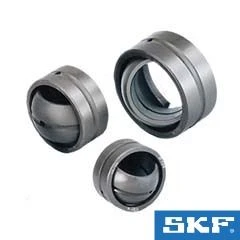
When it comes to knuckle bearings, there are different brands and types on the market, each with its own installation requirements. For example, SKF Knuckle bearing is well - known for its high - quality and precision engineering. SKF bearings often have very tight tolerances, so the installation process needs to be extremely precise. You'll need to pay extra attention to the alignment and the torque requirements when installing SKF knuckle bearings.
INA Knuckle bearing is another popular brand. INA bearings are designed to withstand heavy loads and harsh operating conditions. During installation, you need to ensure that the bearing is properly lubricated and that it is seated correctly in the housing. Any misalignment can lead to reduced performance and shorter bearing life.
MCGILL Knuckle bearing also offers a wide range of knuckle bearings with different designs and features. Some MCGILL bearings might have special coatings or sealing arrangements, which need to be protected during the installation process. Following the manufacturer's installation guidelines is crucial for getting the most out of MCGILL bearings.
Tips for a Successful Knuckle Bearing Installation
- Cleanliness: Make sure the bearing and the housing are clean before installation. Any dirt, debris, or metal shavings can cause damage to the bearing surfaces. Use a clean cloth and a suitable cleaning solvent to clean the parts.
- Lubrication: Proper lubrication is essential for the smooth operation of the knuckle bearing. Apply the recommended lubricant to the bearing surfaces and the mating parts before installation.
- Follow the Manual: Always refer to the bearing manufacturer's installation manual. It contains important information about the installation process, torque specifications, and any special requirements.
- Inspect the Parts: Before installing the bearing, carefully inspect it for any signs of damage or defects. Also, check the housing and other mating parts for wear, cracks, or any other issues.
Conclusion
Well, there you have it, folks! These are the main tools you need to install a knuckle bearing. Whether you're a professional mechanic or a DIY enthusiast, having the right tools and following the proper installation procedures is key to a successful job. If you're in the market for high - quality knuckle bearings, don't hesitate to reach out. We're here to provide you with the best products and technical support. Just contact us for more information and let's start a great business partnership.
References
- Bearing Installation Guides from SKF, INA, and MCGILL
- Automotive and Industrial Mechanical Repair Manuals
- Online Forums and Communities for Bearing Installation and Maintenance