

Hub Bearing
Why Choose Us?
Wide range of Brands covered: Nsk, skf, ntn, fag, ina, koyo, ezo, nmb, iko, thk, timkne, nachi, mcgill, elges, fyh, asahi, ijk, east, rollway, samick, hrb, zwz, lyc, tr, but, zhbr, yfa, hzy, qcs, and other well-known domestic and foreign brands. The bearing models of major brands are complete, and customers can purchase them in a one-stop manner.
Customer Service: We strive to maintain the highest standards of quality, reliability, on-time delivery. The platform guarantees genuine products, and the supply of goods is complete, with a complete logistics system.
Competitive Pricing: We offer competitive pricing without compromising on quality, making our products accessible to a wide range of customers.
Sustainability: We are committed to environmental sustainability and strive to minimize our environmental impact by using eco-friendly production methods.
Architectural design & planning cepteur sint occaecat cupidatat proident, taken possession of my entire soul, like these sweet mornings of sA wheel hub bearing is a type of rolling-element bearing that is designed to support the weight of your car's wheels. It is typically located in the center of the wheel hub assembly, between the axle and the wheel, and consists of an inner and outer ring, rolling elements, and a cage Wheel hub bearings are an essential part of your car's wheel assembly. They support the weight of the car and allow the wheels to rotate smoothly while you drive.
-
![BAIC Wheel Bearing]() BAIC Wheel BearingIn recent years, our company has become one of the important parts of the automotive field. With the increase of vehicle ownership, the demand for hub bearings is growing day by day, and the...read more
BAIC Wheel BearingIn recent years, our company has become one of the important parts of the automotive field. With the increase of vehicle ownership, the demand for hub bearings is growing day by day, and the...read more -
![DONGFENG Wheel Bearing]() DONGFENG Wheel BearingOur company Dongfeng hub bearings is committed to providing customers with the best quality products and services. Our quality assurance has been recognized and trusted by our customers, our...read more
DONGFENG Wheel BearingOur company Dongfeng hub bearings is committed to providing customers with the best quality products and services. Our quality assurance has been recognized and trusted by our customers, our...read more -
![CHANGAN Wheel Bearing]() CHANGAN Wheel BearingOur Changan hub bearings are made of high quality materials, with excellent performance and reliable service life. Our products are economical and practical, cost-effective, and are loved and...read more
CHANGAN Wheel BearingOur Changan hub bearings are made of high quality materials, with excellent performance and reliable service life. Our products are economical and practical, cost-effective, and are loved and...read more -
![ROEWE Hub Bearing]() ROEWE Hub BearingOur Roewe hub bearings are carefully designed and manufactured high-quality products. We guarantee that every hub bearing has excellent quality and can be stable and durable in all kinds of harsh...read more
ROEWE Hub BearingOur Roewe hub bearings are carefully designed and manufactured high-quality products. We guarantee that every hub bearing has excellent quality and can be stable and durable in all kinds of harsh...read more -
![MG Hub Bearing]() MG Hub BearingOur MG wheel hub bearing is an excellent product, it uses high-quality materials, excellent quality has been recognized and appreciated by our customers. In addition, our company's prices are also...read more
MG Hub BearingOur MG wheel hub bearing is an excellent product, it uses high-quality materials, excellent quality has been recognized and appreciated by our customers. In addition, our company's prices are also...read more -
![GEELY Hub Bearing]() GEELY Hub BearingOur Geely hub bearing is an economical and practical product, which is very popular in the market. We have a large inventory to ensure that customers can get fast delivery service when ordering....read more
GEELY Hub BearingOur Geely hub bearing is an economical and practical product, which is very popular in the market. We have a large inventory to ensure that customers can get fast delivery service when ordering....read more -
![BYD Hub Bearing]() BYD Hub BearingThe BYD hub bearings provided by our company are subject to strict quality control and testing. We have a wealth of inventory to meet the needs of our customers. At the same time, our product...read more
BYD Hub BearingThe BYD hub bearings provided by our company are subject to strict quality control and testing. We have a wealth of inventory to meet the needs of our customers. At the same time, our product...read more -
![GREAT WALL MOTORS Hub Bearing]() GREAT WALL MOTORS Hub BearingOur Great Wall Motors hub bearing has been committed to providing customers with quality products and services. We focus on quality assurance to ensure that every hub bearing meets international...read more
GREAT WALL MOTORS Hub BearingOur Great Wall Motors hub bearing has been committed to providing customers with quality products and services. We focus on quality assurance to ensure that every hub bearing meets international...read more -
![CHERY Hub Bearing]() CHERY Hub BearingThe company's Chery hub bearing is an economical, practical and cost-effective product, with excellent performance and stable quality. We are your most trusted bearing supplier with our abundant...read more
CHERY Hub BearingThe company's Chery hub bearing is an economical, practical and cost-effective product, with excellent performance and stable quality. We are your most trusted bearing supplier with our abundant...read more -
![ACURA Hub Bearing]() ACURA Hub BearingOur Acura hub bearings not only have affordable prices, but more importantly, quality assurance. We have been adhering to the principle of quality first, by the majority of customers trust and praise.read more
ACURA Hub BearingOur Acura hub bearings not only have affordable prices, but more importantly, quality assurance. We have been adhering to the principle of quality first, by the majority of customers trust and praise.read more -
![INFINITI Wheel Hub Bearing]() INFINITI Wheel Hub BearingOur Infiniti hub bearing is an excellent product, with excellent quality and price advantages, more convenient for users to maintain and replace. We are committed to providing the majority of...read more
INFINITI Wheel Hub BearingOur Infiniti hub bearing is an excellent product, with excellent quality and price advantages, more convenient for users to maintain and replace. We are committed to providing the majority of...read more -
![LEXUS Wheel Hub Bearing]() LEXUS Wheel Hub BearingOur Lexus hub bearings are not only beautifully designed in appearance, but also very durable and long life in performance. Our product line is very complete, can meet the needs of different...read more
LEXUS Wheel Hub BearingOur Lexus hub bearings are not only beautifully designed in appearance, but also very durable and long life in performance. Our product line is very complete, can meet the needs of different...read more


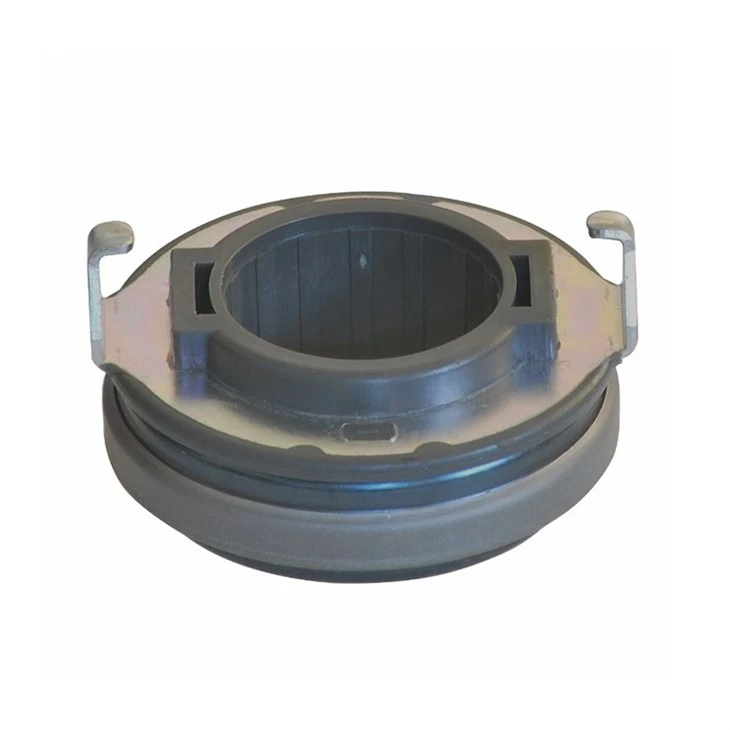
Comprised of precision- manufactured bearings, seals and sensors in one pre- assembled unit, a wheel hub bearing unit is critical to your car's performance, from the smoothness of the ride, to fuel efficiency, to the integrity of your anti-lock breaking system (ABS).
The same benefits that make hub bearing highly suitable for automotive applications also make them a superior choice for many consumer and industrial applications.
These benefits include:
• Compactness
• Stiffness
• Efficient integrated sealing
• Pre-set clearance or preload
• Maintenance free (greased-for-life)
• Reduced number of parts
• Easy assembly
• Integrated encoder/sensor
The Importance for Your Wheel Hub Bearings
Wheel hub bearings are an essential part of your car's wheel assembly. They support the weight of the car and allow the wheels to rotate smoothly while you drive. However, like any other mechanical part, they are subject to wear and tear over time. Regular maintenance of your car's wheel hub bearings is crucial to ensure their longevity and optimal performance.
Signs of Wear and Tear
Wheel hub bearings are designed to last for many miles, but they can become damaged or worn out over time. Here are some common signs of wear and tear to look out for:
(1) Grinding or clicking noise coming from the wheel hub area.
(2) Vibrations or wobbling when driving.
(3) Uneven tire wear.
(4) Steering wheel is not aligned properly.
(5) Brake pedal pulsation or vibration.
If you notice any of these signs, it's crucial to have your car inspected by a qualified mechanic as soon as possible. Ignoring these warning signs can lead to severe damage to your car's wheel hub bearings, which can result in costly repairs.
Importance of Regular Maintenance
Regular maintenance of your car's wheel hub bearings is critical to ensuring their longevity and optimal performance. Here are some reasons why: Prevents premature wear and tear: Regular maintenance, including cleaning and lubrication, can prevent premature wear and tear of your car's wheel hub bearings. This can extend their lifespan and save you money in the long run. Maintains proper alignment: Proper alignment is essential for your car's wheel hub bearings to function correctly. Regular maintenance can ensure that your car's wheel hub bearings are aligned correctly, preventing uneven tire wear and steering wheel misalignment. Reduces the risk of accidents: Wheel hub bearings that are not maintained correctly can cause accidents. Regular maintenance can identify potential problems before they cause an accident, ensuring your safety on the road.
Maintenance Tips
Here are some maintenance tips to ensure your car's wheel hub bearings are in optimal condition:
(1) Check your owner's manual: Your owner's manual will have specific guidelines for maintaining your car's wheel hub bearings. Follow these guidelines closely to ensure you're taking the necessary steps to maintain your car's wheel hub bearings correctly.
(2) Clean and lubricate regularly: Clean and lubricate your car's wheel hub bearings regularly to prevent premature wear and tear. Use the recommended cleaning and lubrication products recommended by your car's manufacturer.
(3) Inspect your car's wheel hub bearings regularly: Regular inspections can identify potential problems before they cause severe damage. Inspect your car's wheel hub bearings at least once a year or more frequently if you notice any of the signs of wear and tear mentioned earlier.
What's the Difference Between Wheel Bearing and Hub Bearing?
Wheel bearings and hub bearings are two essential components of a vehicle's suspension system. They help to keep the wheels rotating smoothly and prevent them from wobbling. However, there are some key differences between the two types of bearings.
Wheel Bearings vs. Hub Bearings
(1) Wheel Bearings
Wheel bearings are located on the axles of a vehicle and support the weight of the vehicle and its passengers. They are typically made of a series of ball bearings that are held in place by a race. Wheel bearings are designed to rotate with the axle, and they are lubricated with a grease that helps to reduce friction.
(2) Hub Bearings
Hub bearings are located in the center of the wheels and support the hub assembly. The hub assembly includes the wheel, the brake rotor, and the axle. Hub bearings are typically made of a single-row ball bearing or a tapered roller bearing. Hub bearings are not designed to rotate with the wheel, and they are lubricated with a grease or oil that helps to reduce friction.
Differences Between Wheel Bearings And Hub Bearings
The following are some of the key differences between wheel bearings and hub bearings:
• Location: Wheel bearings are located on the axles of a vehicle, while hub bearings are located in the center of the wheels.
• Rotation: Wheel bearings rotate with the axle, while hub bearings do not rotate.
• Lubrication: Wheel bearings are lubricated with a grease, while hub bearings are lubricated with a grease or oil.
• Durability: Wheel bearings are typically less durable than hub bearings because they are subjected to more wear and tear.
When To Replace Wheel Bearings And Hub Bearings
Wheel bearings and hub bearings should be replaced when they are worn out. Worn-out bearings can cause the wheels to wobble, which can lead to a loss of control of the vehicle. Additionally, worn-out bearings can make a loud noise when the vehicle is in motion. The following are some signs that your wheel bearings or hub bearings may need to be replaced:
• The wheels are wobbling.
• The vehicle makes a loud noise when it is in motion.
• The vehicle pulls to one side when you are driving.
• The vehicle is difficult to steer.
If you notice any of these signs, it is important to have your vehicle inspected by a qualified mechanic.
The Roles of Hub Bearings in a Vehicle's Functionality
The hub bearing, also known as the wheel hub, is a central part that connects the wheel to the vehicle's suspension system. It houses the wheel bearing and provides the necessary support and alignment for the wheel.
To Change or Not to Change hub bearings? Now, let's address the main question: Should you replace both hub bearings when only one side fails? The answer to this largely depends on several factors, including the condition of the remaining components, cost considerations, and the specific vehicle design. Let's examine each aspect more closely:
Condition of the Remaining Components: If one wheel bearing has failed, it may indicate that the other bearing could be nearing the end of its lifespan. Wheel bearings often wear out due to similar factors such as mileage, driving conditions, and maintenance practices. Thus, replacing hub bearings as a preventative measure could save you from future repairs and potential safety risks. Inspecting the condition of the unaffected side can provide valuable insight into whether it requires replacement or not.
Cost Considerations: Replacing hub bearings can be a costly endeavor, involving both parts and labor expenses. If your budget allows, it might be prudent to change both components simultaneously to minimize future repair costs. However, if you are facing budget constraints, replacing only the failed part is an option, provided the other side is in good condition.
Vehicle Design and Usage: Some vehicles have wheel bearings that are integrated into the hub bearing. In such cases, it is more practical and often recommended to replace the entire hub bearing rather than attempting to replace only the bearing. Additionally, if your vehicle undergoes heavy usage, such as towing or off-roading, the stresses endured may accelerate wear on the wheel bearings. Replacing both components, even if only one has failed, might be a safer choice in such demanding conditions.
When faced with a failed hub bearing, the decision to replace both components or just the affected one depends on factors such as the condition of the remaining components, cost considerations, and the design and usage of your vehicle. Prioritizing safety and preventive maintenance is always advisable, but budgetary constraints and specific vehicle considerations may influence your decision.
The Benefits of Choosing a Lightweight Wheel Hub Bearing for Your Car


Wheel hub bearings are a crucial component of your car's suspension system, responsible for supporting the weight of your vehicle and allowing your wheels to rotate smoothly. When it comes to choosing a replacement wheel hub bearing, one option to consider is a lightweight version.
Improved Fuel Efficiency
One of the biggest benefits of choosing a lightweight wheel hub bearing is improved fuel efficiency. This is because lighter bearings reduce the weight of your car, which in turn reduces the amount of fuel needed to power your vehicle. This can lead to significant cost savings over time, especially if you do a lot of driving.
Enhanced Performance
Lightweight wheel hub bearings can also enhance your car's performance in several ways. Firstly, they reduce unsprung weight, meaning that your car's suspension system can more easily absorb bumps and shocks on the road. This results in a smoother and more comfortable ride for you and your passengers. Additionally, reduced unsprung weight can improve your car's handling and responsiveness, allowing you to more easily maneuver your car on the road, especially in tight or challenging driving conditions.
Increased Durability
Lightweight wheel hub bearings are often made from high-quality materials, such as aluminum or carbon fiber, which can increase their durability and longevity. This means that they can withstand more wear and tear over time, resulting in fewer repairs and replacements needed.
Better Handling
As mentioned earlier, lightweight wheel hub bearings can improve your car's handling and responsiveness by reducing unsprung weight. This means that your car can more easily respond to changes in direction or speed, making it easier to maneuver on the road. This can be especially beneficial in emergency situations where quick reactions are required.
Reduced Brake Wear
Lightweight wheel hub bearings can also reduce brake wear by reducing the weight of your car. This means that your brakes don't have to work as hard to slow down your vehicle, resulting in less wear and tear on your brake pads and rotors. This can also lead to cost savings over time, as you will need to replace your brakes less frequently.
Diagnosing Wheel Hub Bearing Issues and When To Remedy
Diagnosing car troubles by sound alone is an inexact science, but you should not ignore new or unusual car noises.
Having said that, although noises from bad hub bearing and/or wheel bearings come from the area of your wheels, not all strange sounds from the area of your wheels is assembly- or bearing-related. They could indicate a problem with your brakes or CV joints. And if the noise comes and goes with the application of your brakes, the problem is more likely brake-related.
Still, be sure to check your hub bearing and wheel bearings if you hear:
• Chirping, squealing or grinding sounds with different intensities at different speeds. These noises may get louder or softer upon turning.
• Humming that exists when you drive and increases when you start to turn your steering wheel
• If you ever sense a vibration from your wheels or your wheels “wobble,” be sure to check your hub bearing and wheel bearings.
Other symptoms include:
• Snapping, clicking or popping.
This can indicate a worn or damaged outer CV-joint. However, it also can be related to excessive hub bearing endplay, usually associated with inadequate clamping. This noise is typically heard when cornering or making sharp turns.
• Grinding when the vehicle is in motion.
Typically, this means there is mechanical damage in a wheel-end system. Related to a hub bearing, it means a loss of integrity such as roller or raceway damage. The noise is normally heard when turning or when there is a shift in load.
• Knocking or clunking.
This can signal excessive play in the CV-joints or U-joints. It also can be caused by excessive backlash in the differential gears. This is not generally associated with bearings and is normally heard either when shifting from changing directions, such as from forward to reverse or transitioning from accelerating to coasting.
• Humming, rumbling or growling.
These noises are normally associated with tire, electrical or drivetrain components. If bearing-related, the noise or vibration is present when driving in a straight line, but intensifies when turning the steering wheel slightly to the left or right. Typically, the side opposite the rumbling is the defective side.
• Wheel vibration and/or wobble.
This is generally associated with a damaged or worn tire, wheel or suspension component or severe chassis misalignment. When related to the hub bearing or bearing, this normally indicates the loss of clamp or a bearing with extreme mechanical damage. It also can occur when lug nuts are not properly torqued.
• Shudder, shimmy or vibration at a constant speed.
This is normally associated with worn or damaged suspension components or tires that are out-of-balance or out-of-round. It is not normally indicative of hub or bearing damage.
• Abnormal side pull when brakes are applied.
This is normally indicative of a defective calliper or equalizer, but it also can be a sign of worn brakes or rotors. However, severe looseness related to a bearing can also cause excessive run out, which may cause the brakes to pulsate or pull. The most common cause is a warped rotor due to the calliper not retracting.
• Uneven rotor or brake pad wear.
This is normally indicative of a bad calliper and/or a bad equalizer, which is not bearing-related. Severe looseness related to a worn or damaged hub bearing can cause excessive run out, which can cause uneven wear on the brake pads and/or rotor. The most common cause is a warped rotor due to the calliper not retracting.
• Abnormal or uneven tyre wear.
There are many causes of abnormal tire wear. The most common are worn or damaged suspension components, misalignment, improper inflation or tire selection. While extreme hub bearing wear or looseness can cause abnormal tire wear, it is typically related to other failure modes.
• ABS failure, which could be internal or external to the bearing or hub bearing assembly.
In extreme cases, internal and external sensors can be damaged from excessive movement caused by too much end-play. This indicates a lack or loss of bearing clamp. This normally results from severe mechanical break up or damage. (Additionally, in designs where the sensor is mounted externally, sensor damage can result from corrosion, stones and other hazards.)
Our Factory
Zhejiang Zhongji Changsheng E-commerce Co., Ltd. was established in 2020 and mainly operates a bearing trading platform. In March 2022, the platform's consignment sales performance exceeded 10 million, and in November 2022, there were over 1000 platform suppliers. In March 2023, the platform's consignment sales performance was nearly 20 million. In 2023, the company's self operated automotive parts business was fully launched, mainly for chassis components such as automotive bearings, ball heads, swing arms, and stabilizer bars. At the same time, pneumatic components were launched and online exhibition business was opened, Promote excellent manufacturers' brands.
Brands covered include: Nsk, skf, ntn, fag, ina, koyo, ezo, nmb, iko, thk, timkne, nachi, mcgill, elges, fyh, asahi, ijk, east, rollway, samick, hrb, zwz, lyc, tr, but, zhbr, yfa, hzy, qcs, and other well-known domestic and foreign brands.


FAQ
Q: How long does it take to fix a hub bearing?
Q: How often do you need to replace a hub bearing?
Q: What happens if I don't replace my hub bearings?”
Q: Is a hub bearing and wheel bearing the same?
Q: How do I know what hub bearings to buy?
Q: Where do hub bearings go?
Q: What is the use of hub bearing?
Q: What will a bad hub bearing do?
Q: How do I know if my hub bearing is bad?
• Noise. This is the most obvious one. If the wheel bearing is in bad shape, we will hear a grinding sound regardless of the speed we are driving at.
• Car looseness. This one is also very clear and logical, the bearing is allocated between mechanisms that work very tight, if the bearing gets worn out, then, all the systems will get loose and you will feel the car.
• Heat. If the car wheel bearing is worn out, it will obviously not be able to work correctly, therefore, friction will cause a very intense heat that will be flagrant when we drive our car to a stop.
• Steering wheel pulling. This will cause the car to slowly pull towards the side without you trying to do so.
Q: What is the importance of hub bearing?
Q: How do my car's hub bearings affect braking safety?
Q: Why are hub bearings critical to my traction control system?
Q: What is a wheel hub bearing and why is it so important?
Q: Hub Bearing: Why are "value grade" hubs a risky choice?
Q: Hub Bearing: Could my wheel really come off?
Q: How do hub bearings affect braking safety?
Q: Is a hub bearing hard to replace?
Q: Is it better to replace a hub bearing or the hub?
Q: Do I need an alignment after hub and hub bearing replacement?
Q: How many miles do hub bearings last?
We're well-known as one of the leading hub bearing manufacturers and suppliers in China. Be free to wholesale high quality hub bearing in stock here and get quotation from our factory. Contact us for more details.
55563512, SKODA Swing Arm Ball Head, TIMKEN Deep Groove Ball Bearing