

Alright, folks! As an insert bearing supplier, I often get asked about the difference between metric and imperial insert bearings. It's a pretty common question, so I thought I'd break it down for you all in this blog post.
Let's start by getting a basic understanding of what insert bearings are. Insert bearings are self - contained units that typically consist of a bearing insert (the actual rolling - element bearing part), a housing, and sometimes seals and other accessories. They're used in a variety of applications, like conveyor systems, agricultural equipment, and industrial machinery.
Metric Insert Bearings
Metric insert bearings use the metric system for their measurements. The metric system is based on units of ten, which makes it super easy to work with. Metric bearings are widely used across the globe, especially in countries that have adopted the International System of Units (SI).
One major advantage of metric insert bearings is their standardization. Most manufacturers follow strict metric standards, which means you can expect a certain level of quality and compatibility. For example, if you need to replace a metric insert bearing in a machine, you can be pretty confident that you'll find a suitable replacement that fits precisely.
In terms of size, metric bearings are measured in millimeters. This includes the bore diameter (the inner diameter of the bearing where the shaft goes), the outer diameter of the bearing insert, and the width. When it comes to choosing a metric insert bearing, you'll usually look at the bore size first. This needs to match the diameter of the shaft you're using.
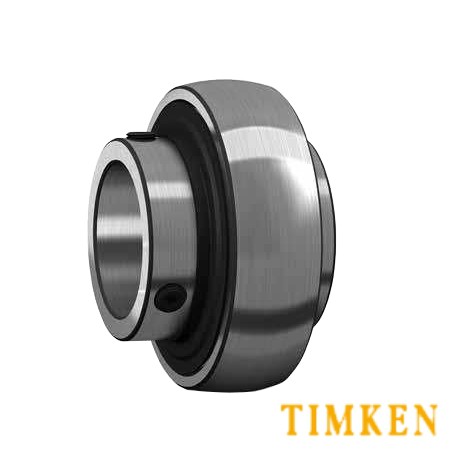
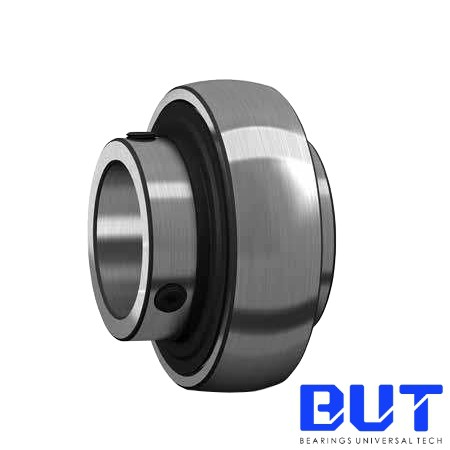
For instance, a common metric bore size could be 20mm, 30mm, or 40mm. These sizes are clearly defined and are widely available in the market. And because of the high demand for metric bearings, you can often find them in a wide range of different designs and types to suit your specific application.
If you're interested in high - quality metric insert bearings, you might want to check out the BUT Insert Bearing. They offer a great selection of metric bearings that are built to last.
Imperial Insert Bearings
On the flip side, imperial insert bearings use the imperial system of measurement. This system is mainly used in the United States and a few other countries. The imperial system uses units like inches, feet, and pounds, and it's a bit more complex compared to the metric system.
Imperial insert bearings have their own set of advantages. In some industries in the US, imperial measurements are deeply ingrained in the manufacturing processes. So, if you're working on an older machine that was built using imperial standards, it makes more sense to use imperial insert bearings.
With imperial bearings, the bore diameter and other dimensions are measured in inches. For example, you might have a bearing with a bore size of 1/2 inch, 3/4 inch, or 1 inch. These sizes are also standardized, but the range and the way they are divided up are different from metric bearings.
One thing to note is that imperial bearings can sometimes be a bit more difficult to source outside of countries that use the imperial system. But there are still plenty of good options available. The UBC Insert Bearing offers a decent range of imperial insert bearings for various applications.
Key Differences
- Measurement Units: The most obvious difference is the measurement system. Metric bearings use millimeters, while imperial bearings use inches. This means that if you're switching between the two, you'll need to do some conversions. It's not too difficult with a calculator, but it's something to keep in mind.
- Global Availability: Metric bearings are much more widely available globally. The metric system is the standard in most countries, so it's easier to find metric insert bearings in different parts of the world. Imperial bearings, on the other hand, are more commonly found in the US and a few other places.
- Industry Standards: As I mentioned earlier, certain industries in the US still prefer imperial bearings because of historical reasons. In contrast, many modern manufacturing processes and new machinery around the world are designed using the metric system, so there's a bigger push towards metric insert bearings.
- Design and Compatibility: While both metric and imperial insert bearings serve the same general purpose, their designs can be slightly different. This is mainly due to the differences in the way they are manufactured to fit the respective measurement systems. Make sure you check the compatibility of the bearing with your equipment before making a purchase.
Which One Should You Choose?
The choice between metric and imperial insert bearings depends on a few factors.
If you're working on a new project, the metric system is usually the way to go. It's more standardized, easier to work with, and has better global availability. Plus, if you plan to expand your business internationally, using metric bearings will make it easier to source replacements and parts.
However, if you're dealing with an existing machine that was built with imperial measurements, it's best to stick with imperial insert bearings. Trying to convert a machine to use metric bearings can be a hassle and may not always be cost - effective.
The TIMKEN Insert Bearing offers both metric and imperial options, so you can choose the one that suits your needs best.
Wrapping It Up
In conclusion, understanding the difference between metric and imperial insert bearings is crucial when you're in the market for these products. Whether you're a maintenance technician, an engineer, or a business owner, knowing which type of bearing to use can save you time, money, and headaches.
As an insert bearing supplier, I'm here to help you make the right choice. If you have any questions about metric or imperial insert bearings, or if you're interested in purchasing some for your project, don't hesitate to reach out. We can offer you expert advice and high - quality products to meet your requirements.
References
- Machinery's Handbook, 30th Edition.
- Bearing Design and Application Handbook.
- Industry standards and guidelines for insert bearings.