

As a supplier of Sliding Block puzzles, I've seen firsthand how these engaging games can appeal to a wide range of age groups. But how do you adapt a Sliding Block puzzle to make it suitable and fun for different ages? Let's dive in and explore some key strategies.
For Young Kids (3 - 6 years old)
Young kids are just starting to develop their fine motor skills and problem - solving abilities. For this age group, simplicity is key.
Size and Design: Use large blocks that are easy for tiny hands to grasp. For example, blocks that are at least 2 - 3 inches square. Bright and colorful designs, like cheerful animals or popular cartoon characters, can capture their attention. A simple 2x2 or 3x3 grid is ideal. This smaller grid size means fewer moves are required to solve the puzzle, which keeps the kids from getting frustrated.
Learning Focus: These puzzles can be used as a tool to teach basic concepts like shape recognition and color matching. For instance, we can create a 2x2 puzzle where each block has a different primary color. The goal for the kids could be to arrange the blocks so that all the colors are in a specific order.
Safety: Make sure the materials used are non - toxic and free from small parts that could be a choking hazard. Soft plastics or wood are great choices for this age group.
For Older Kids (7 - 12 years old)
Older kids have more developed motor skills and a growing ability to think logically.
Increased Complexity: Move up to larger grid sizes, such as 4x4 or 5x5. This increases the number of possible moves and challenges the kids to think more strategically. We can also introduce different shapes of blocks, not just squares. For example, rectangular blocks can add an extra layer of difficulty as they require more careful positioning.
Thematic Puzzles: Create puzzles with themes that are relevant to their interests. It could be puzzles based on historical events, favorite books, or video games. For example, a historical puzzle could have blocks with images of important historical figures, and the goal could be to arrange them in chronological order. This not only makes the puzzle more engaging but also allows the kids to learn something new while having fun.
Educational Value: We can incorporate some basic math concepts into the puzzles. For example, assign a number to each block and ask the kids to arrange the blocks so that the numbers follow a certain arithmetic sequence.
For Teens (13 - 19 years old)
Teens are looking for challenges that require higher - level thinking and strategic planning.
Complex Problem - Solving: Offer puzzles with irregular grid shapes or require multiple steps to solve. For example, a puzzle where some blocks are locked in place at the beginning, and the player has to figure out how to move the other blocks around and then unlock the locked ones.
Competitive Elements: Create leaderboards where teens can compare their solving times with their friends or other players around the world. This adds an element of competition and motivation to solve the puzzles faster.
Customization: Provide the option for teens to customize their own puzzles. They can choose the images, grid size, and even the rules to some extent. This gives them a sense of ownership and makes the puzzles more personal.
For Adults (20+ years old)
Adults often appreciate puzzles that can be used as a form of stress relief or a way to keep their minds sharp.
High - Difficulty Puzzles: Offer extremely complex puzzles with large grid sizes, such as 8x8 or even larger. These puzzles can take hours, if not days, to solve. We can also introduce puzzles that require knowledge of advanced mathematical or logical concepts.
Artistic and Aesthetic Appeal: Design puzzles with high - quality images, such as famous artworks or beautiful landscapes. This not only makes the puzzles more enjoyable to solve but also serves as a decorative item when completed.
Collaborative Puzzles: Create puzzles that can be solved by a group of people. This is great for team - building activities or for social gatherings. It encourages communication and cooperation among the participants.

The Role of High - Quality Components
When adapting Sliding Block puzzles for different age groups, the quality of the components matters. Components like the Rexroth Guide Rail ensure smooth movement of the blocks, which is crucial for a good user experience. Whether it's a young child trying to move large blocks around or an adult solving a complex 8x8 puzzle, the rail needs to work flawlessly.
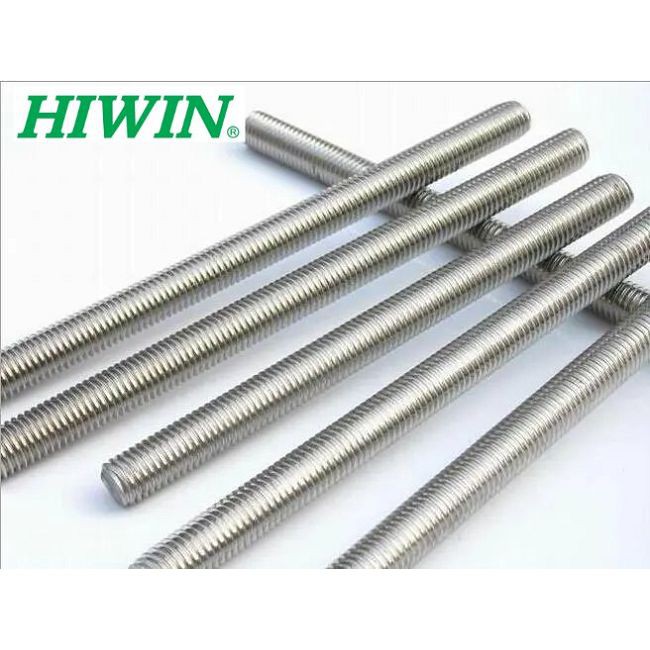
Similarly, THK Lead Screw and HIWIN Lead Screw are important for precise positioning of the blocks. These components are especially important for high - end and complex puzzles where accurate movement is essential for solving the puzzle.
Conclusion
Adapting Sliding Block puzzles for different age groups is all about understanding the unique needs and abilities of each age bracket. By adjusting the size, complexity, theme, and components of the puzzles, we can provide a fun and engaging experience for everyone from young kids to adults.
If you're interested in purchasing Sliding Block puzzles for different age groups, or have any questions about customizing them, feel free to contact us for a purchasing discussion. We're here to help you find the perfect puzzle solution for your needs.
References
- Smith, J. (2018). Puzzle Design for Different Age Groups. Journal of Educational Games.
- Johnson, A. (2019). The Impact of Puzzle Complexity on Cognitive Development. Cognitive Psychology Review.
- Brown, C. (2020). The Role of Aesthetics in Puzzle Design. International Journal of Design Studies.